The Story
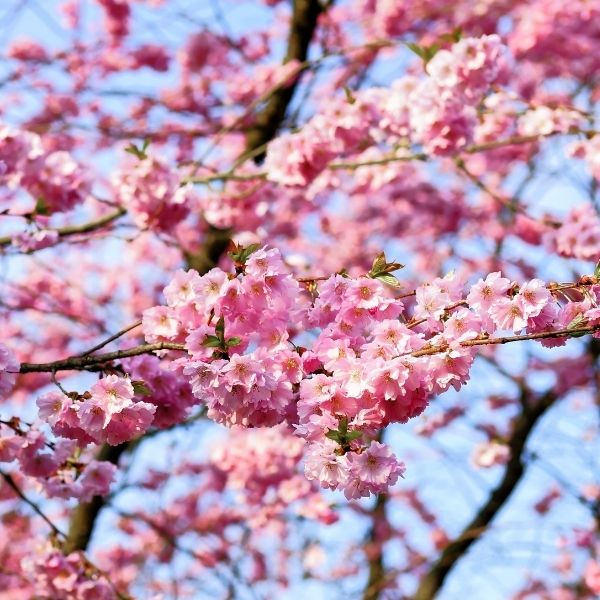
Autumn Blooming Cherry (Prunus subhirtella 'Autumnalis') defies expectations by producing clouds of delicate pink blossoms when most trees are dropping their leaves. Also known as Autumnalis Cherry, Winter-flowering Cherry, or Higan Cherry, this remarkable ornamental tree blooms twice each year, first in late fall and again in early spring, extending the flowering season in your landscape by months.
Two Seasons of Delicate Blooms
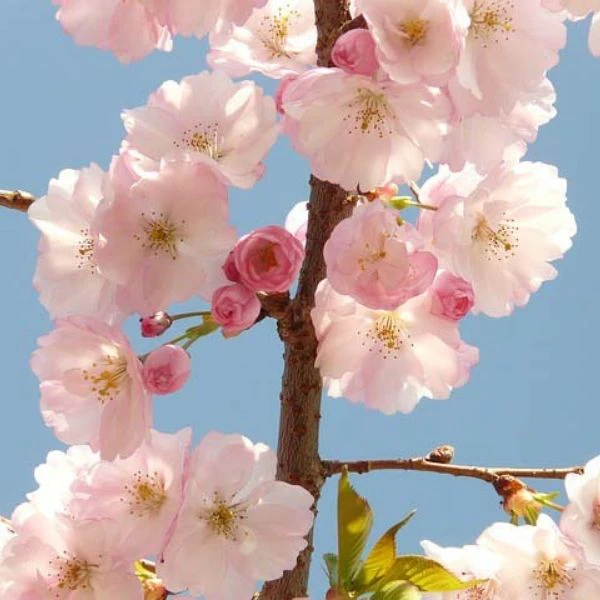
The semi-double flowers open pale pink and gradually fade to near white, appearing on bare branches during mild periods from October through December. A warm spell in January or February can trigger additional sporadic blooms. Then in March and April, the tree puts on its main show with a heavier flush of flowers just as the leaves begin to emerge. Each bloom measures about an inch across with a light, sweet fragrance that draws early bees and butterflies.
Year-Round Landscape Appeal
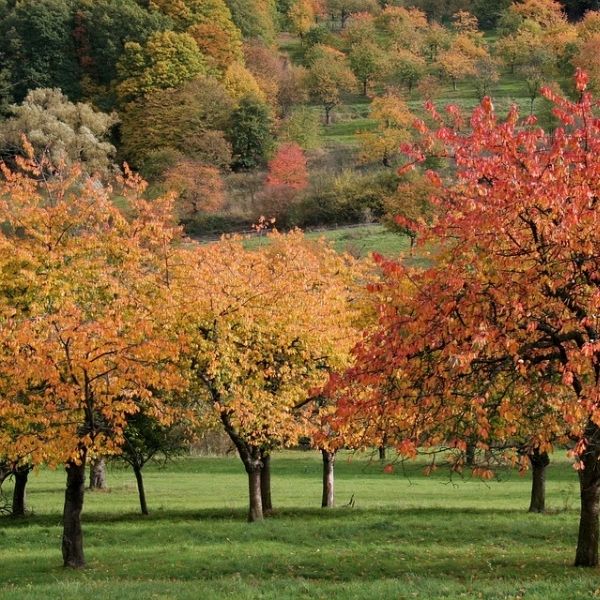
Beyond the flowers, Autumn Blooming Cherry offers genuine multi-season interest. Spring foliage emerges with a bronze tint before maturing to medium green through summer. Fall brings warm yellow and bronze tones before the leaves drop. The smooth grayish-brown bark develops an attractive texture on mature specimens, and the graceful branching pattern creates a beautiful silhouette against winter skies.
A Manageable Specimen Tree
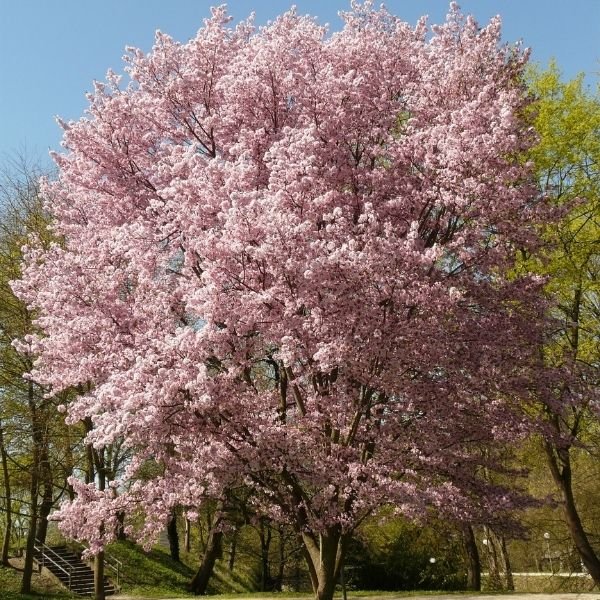
Reaching 20-35 feet tall with a rounded, spreading canopy of 15-25 feet, this cherry tree fits comfortably in most residential landscapes. The moderate growth rate allows you to enjoy the tree without constant pruning battles. Use it as a focal point in the front yard, near a patio where you can appreciate the fall and winter blooms up close, or as a striking lawn specimen.
Easy Care for Zone 4-8 Gardens
Native to Japan and cultivated for centuries, Autumn Blooming Cherry has proven itself adaptable and reliable across a wide range of growing conditions. It tolerates urban pollution, adapts to various soil types, and rarely suffers from the pest and disease problems that plague some flowering cherries. Once established, it requires little attention beyond occasional watering during drought and light pruning to maintain shape.
Details & Craftsmanship
Every detail has been carefully considered to bring you the perfect product.
Details & Craftsmanship
Every detail has been carefully considered to bring you the perfect product.
Details & Craftsmanship
Every detail has been carefully considered to bring you the perfect product.
Description
Autumn Blooming Cherry (Prunus subhirtella 'Autumnalis') defies expectations by producing clouds of delicate pink blossoms when most trees are dropping their leaves. Also known as Autumnalis Cherry, Winter-flowering Cherry, or Higan Cherry, this remarkable ornamental tree blooms twice each year, first in late fall and again in early spring, extending the flowering season in your landscape by months.
Two Seasons of Delicate Blooms
The semi-double flowers open pale pink and gradually fade to near white, appearing on bare branches during mild periods from October through December. A warm spell in January or February can trigger additional sporadic blooms. Then in March and April, the tree puts on its main show with a heavier flush of flowers just as the leaves begin to emerge. Each bloom measures about an inch across with a light, sweet fragrance that draws early bees and butterflies.
Year-Round Landscape Appeal
Beyond the flowers, Autumn Blooming Cherry offers genuine multi-season interest. Spring foliage emerges with a bronze tint before maturing to medium green through summer. Fall brings warm yellow and bronze tones before the leaves drop. The smooth grayish-brown bark develops an attractive texture on mature specimens, and the graceful branching pattern creates a beautiful silhouette against winter skies.
A Manageable Specimen Tree
Reaching 20-35 feet tall with a rounded, spreading canopy of 15-25 feet, this cherry tree fits comfortably in most residential landscapes. The moderate growth rate allows you to enjoy the tree without constant pruning battles. Use it as a focal point in the front yard, near a patio where you can appreciate the fall and winter blooms up close, or as a striking lawn specimen.
Easy Care for Zone 4-8 Gardens
Native to Japan and cultivated for centuries, Autumn Blooming Cherry has proven itself adaptable and reliable across a wide range of growing conditions. It tolerates urban pollution, adapts to various soil types, and rarely suffers from the pest and disease problems that plague some flowering cherries. Once established, it requires little attention beyond occasional watering during drought and light pruning to maintain shape.